What a Dallas home inspection actually covers, system by system
Three to four hours, sixteen system groups, and a report the same day. Here is what is in it.
September 17, 2026 · 4 min read
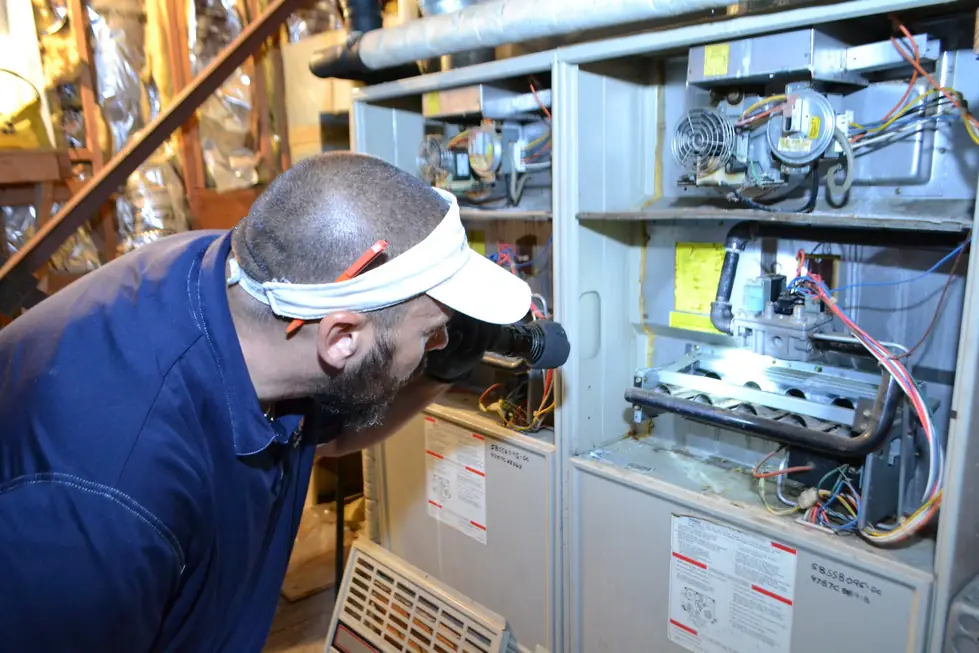
Most people book a home inspection because their agent told them to, and then spend the next few days waiting for a document they do not know how to read. It is worth knowing what is being looked at and why, because the report is the only part of the buying process that is genuinely on your side and paid for by you.
The scope is not a walkthrough
A home inspection is a thorough visual examination of the systems and components of the house. In practice that means the heating system, the central air conditioning where the outside temperature allows it to be run safely, interior plumbing, the electrical system, the roof, the attic, visible insulation, walls, ceilings, floors, windows, doors, the foundation, the basement where there is one, and the visible structure.
The systems get run through their normal controls rather than just looked at. There is a difference between seeing a furnace and turning a furnace on, and only one of them tells you anything. Central air is the exception that depends on the weather: running a compressor when the outside temperature is too low can damage it, so an honest report will say the conditions did not permit the test rather than pretend it passed.
Two findings that get confused with each other
The report is trying to separate two things. The first is building components that are not performing as they should right now. The second is systems that are working but need maintenance to keep working. Those lead to completely different conversations with a seller, and a report that runs them together is not much use at a negotiating table.
A cracked heat exchanger is the first kind. A condenser coil packed with cottonwood seed is the second. Both belong in the report. Only one of them is a reason to ask for money.
How long it takes and when you get it
A typical home inspection runs three to four hours on site. That is roughly what it takes to get into the attic, get eyes on the roof, run the systems, and look at the parts of a house nobody looks at until something leaks. An inspection that is finished in ninety minutes has skipped something, and usually it is the attic, because the attic is hot, awkward and where a lot of the real findings live.
The report is computer generated and comes back the same day, with high resolution photographs and infrared images included. That timing is not a courtesy. In Texas the option period is measured in days, so a report that arrives at the end of the week is a report that arrives too late to do anything with.
Why there are thermal images in it
Thermal imaging is included on every inspection at no additional cost, which is unusual in the Dallas market. What the camera reads is surface temperature, finely enough that what is happening behind the surface shows up as a pattern on it. Wet insulation holds heat differently from dry insulation. A missing batt reads as a cold rectangle in a warm wall. Water tracking down from a roof leak reads as a plume that points back at its source.
None of that requires cutting anything open, which is the only reason it is possible to find during a three hour visit to somebody else's house.
New construction is not the easy case
People assume a brand new house needs less inspection. The opposite is closer to true. Everything is clean and nothing has had time to fail, so the findings are almost entirely about what a trade left unfinished before the drywall went up. A duct that was never connected, insulation that was never installed in one bay, a bathroom fan venting into the attic instead of through the roof.
All of those are invisible to the eye and obvious to a thermal camera, which is why new construction is one of the situations where infrared earns its place most clearly. Resale properties have a history and the question is where the systems are in it. Foreclosures raise a different question again: what has been sitting switched off, unheated and uncooled, and for how long.
What the inspection is not
In Texas an inspection has to be performed by an individual trained, certified and licensed by the state, and what that inspector is describing is the condition of the systems and components at the time of the inspection. It is not a prediction.
An inspection does not tell you the future condition, the efficiency, or the remaining life expectancy of a roof or a compressor. Anyone offering you a number for those is guessing in a way that sounds authoritative. What you get instead is an accurate account of what is not performing now, which is the part you can actually act on.
If you are buying in the Metroplex and want to know what your inspection will cover, call and ask before you book it. The answer should sound like the list above.
North Texas Property Inspections, (469) 569-4212
Call (469) 569-4212More articles
Why a thermal camera comes out on every single inspection
Infrared does not see through walls. What it does is stranger and more useful than that.
Buying a commercial building in DFW: what a nine category inspection finds
A list of defects tells you a building has problems. A sequenced cost breakdown tells you what to offer.